
CCYD STUDIO
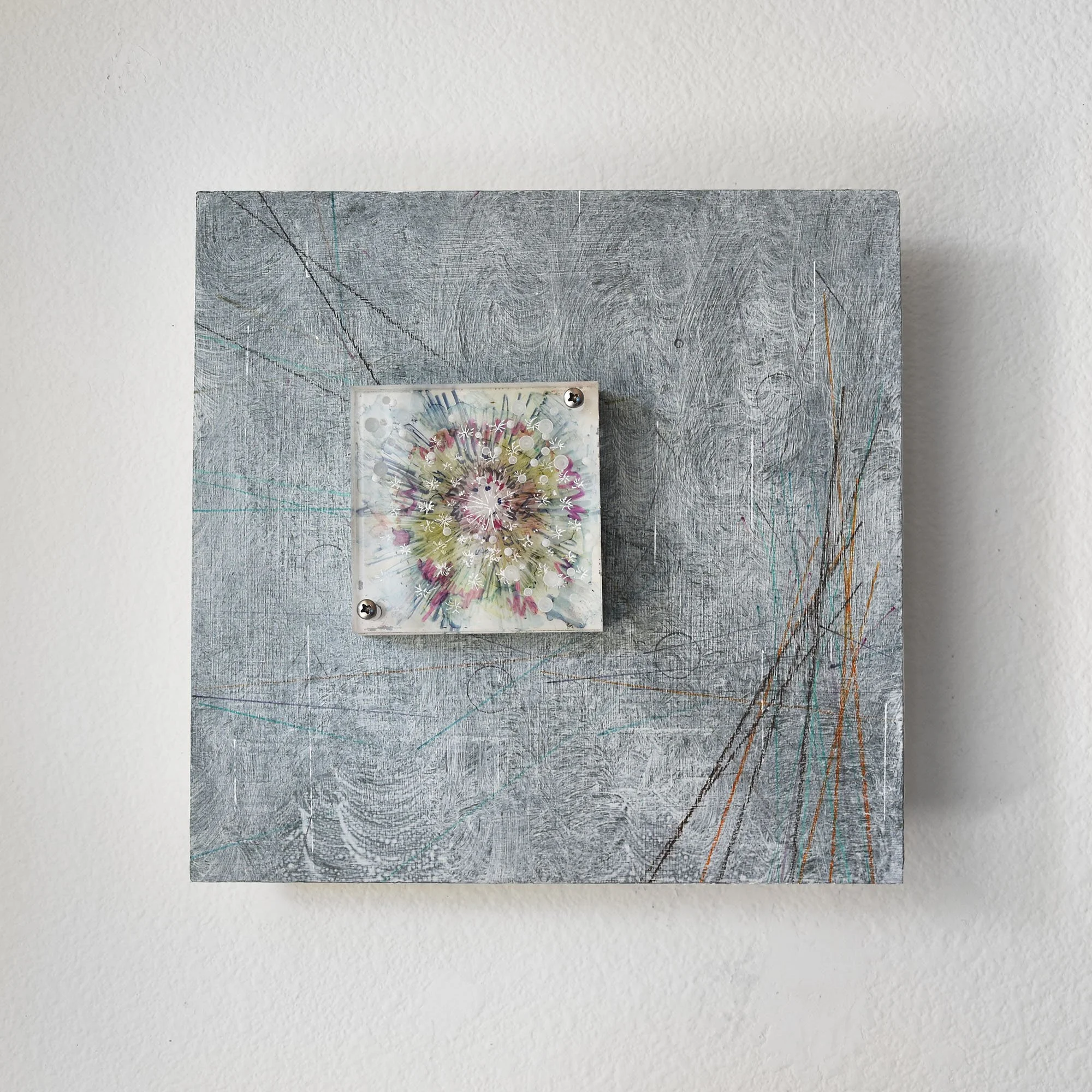
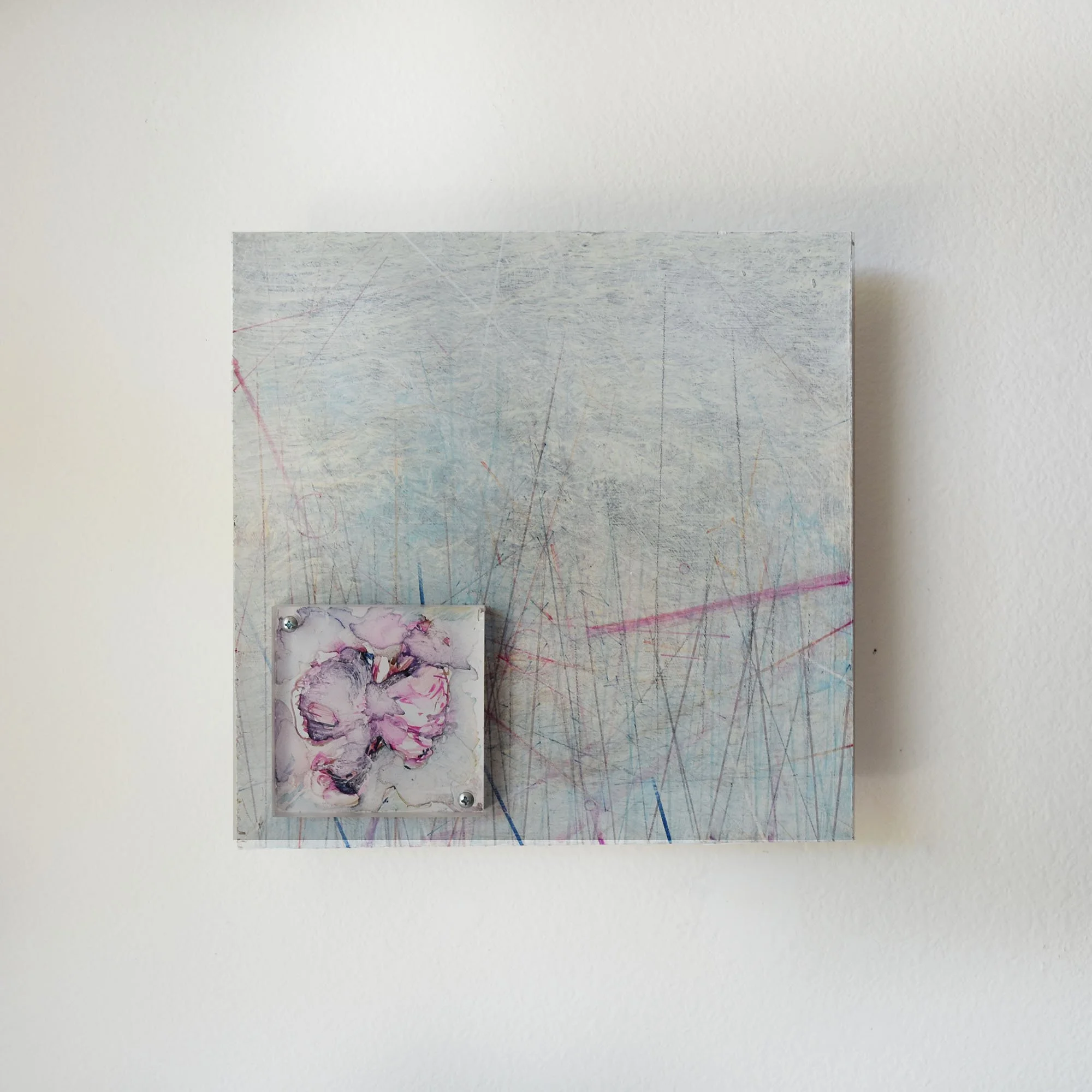
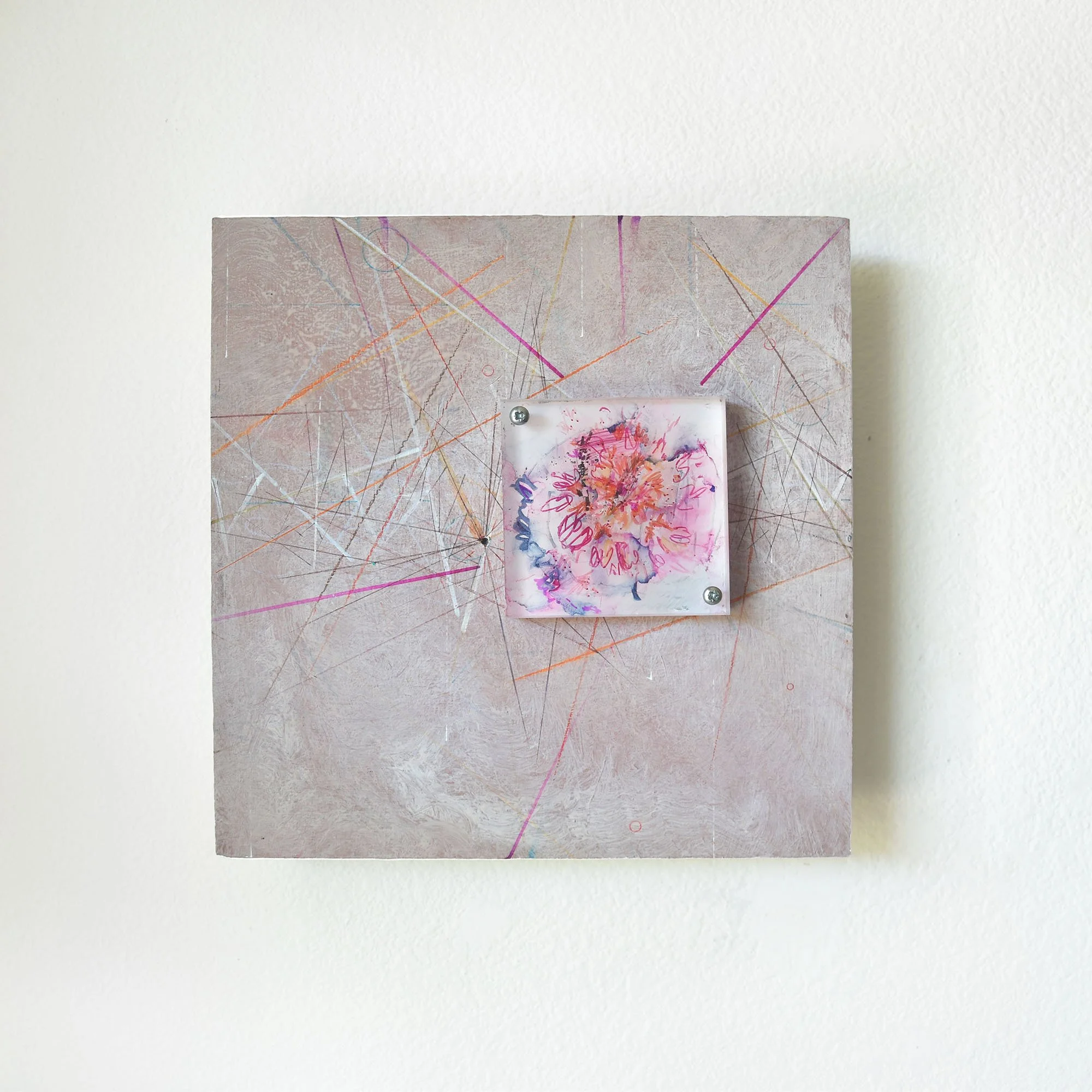
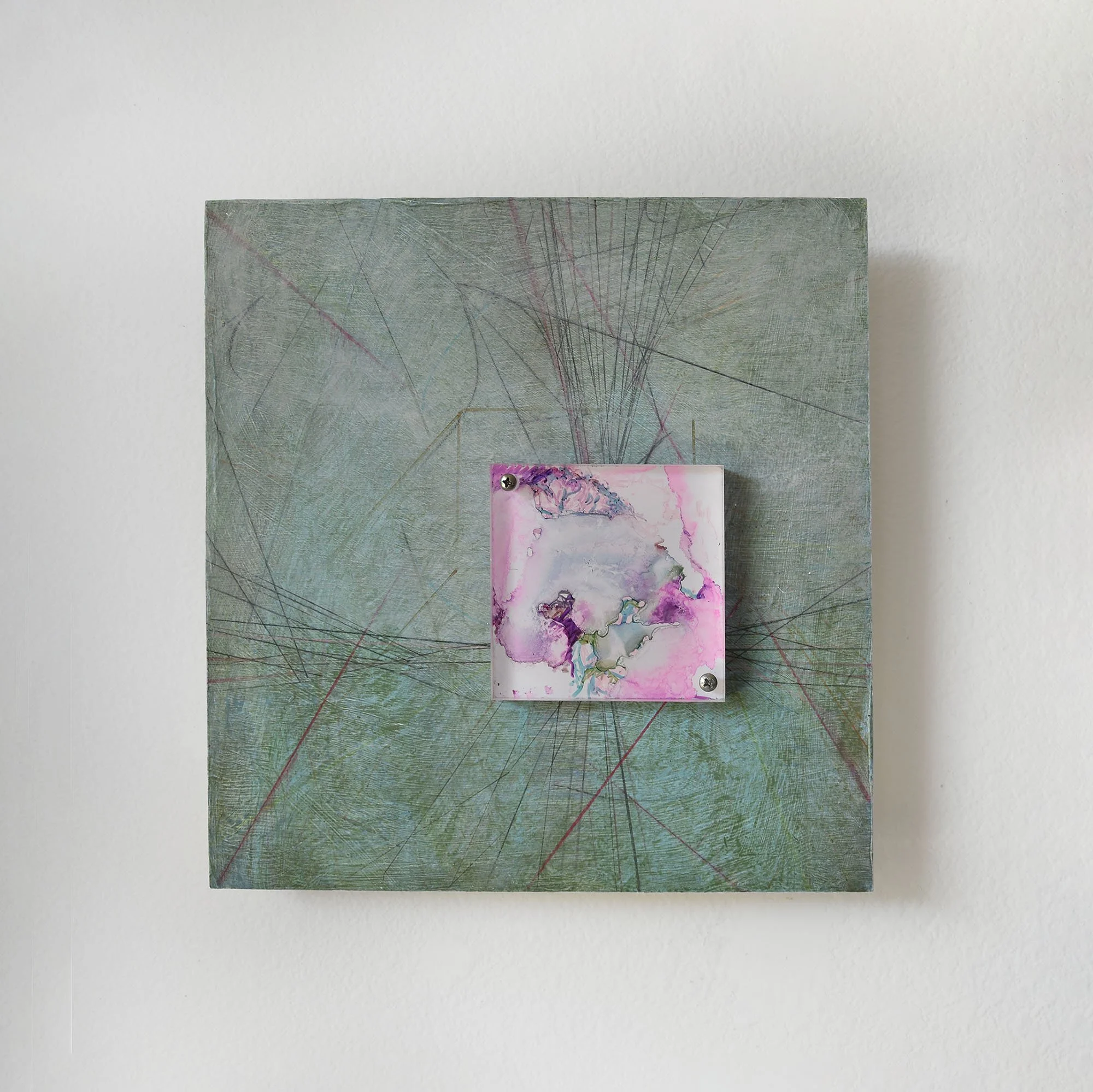
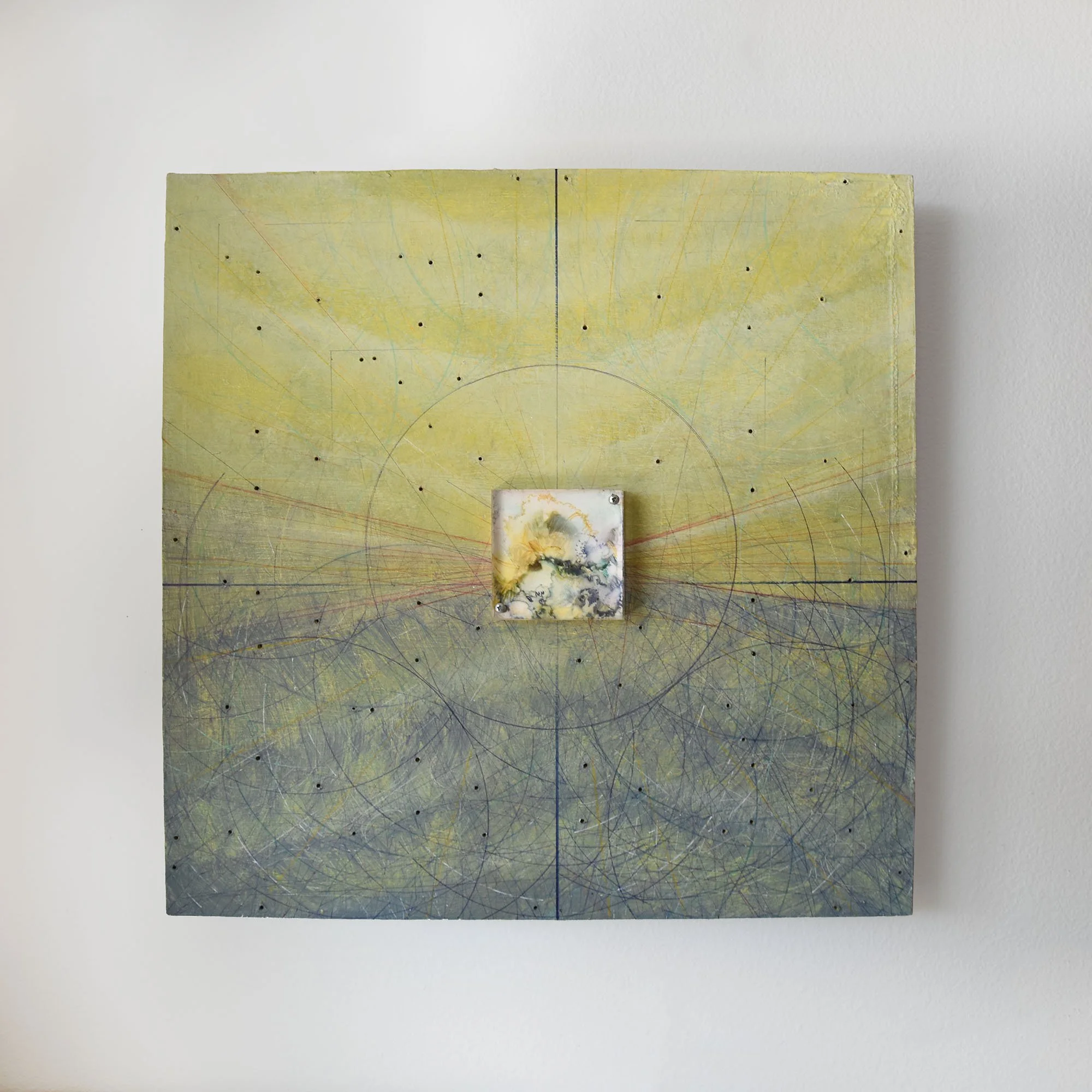
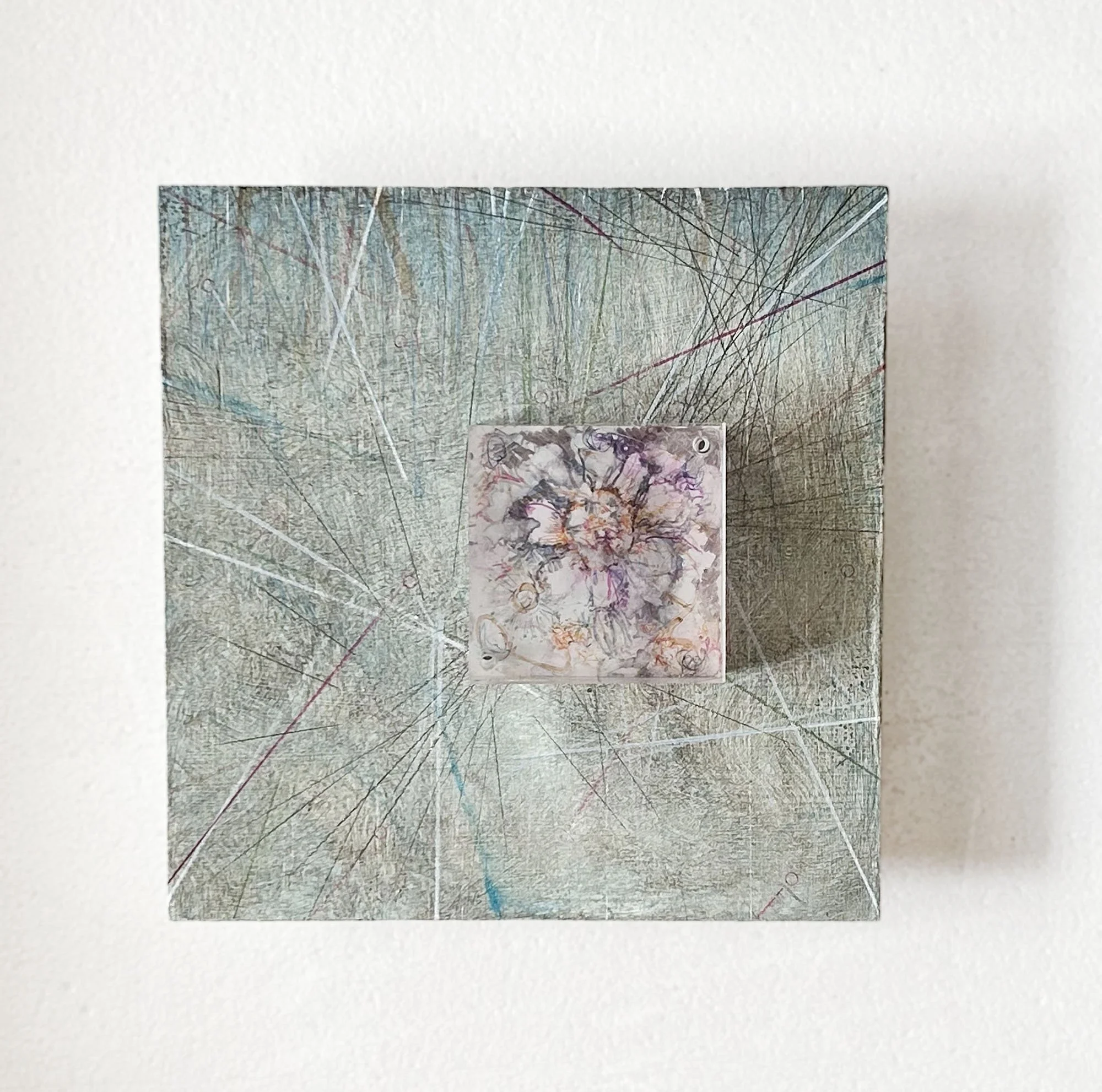
“Dandelion PIP“, acrylics on wood panel, with marker paintings on Plexiglass, electrical backing, 12” x12”, 2024 -20026
Project
Picture-In-Picture Series, 2026
We tend to imagine history as a sequence of events unfolding one after another. But experience rarely works that way. Every act of attention is layered with memory, association, and accumulated time. The PIP series proposes a different model: time not as a line, but as transparency. Independent histories remain visible through one another, occupying the same space without collapsing into a single narrative.
The present is the only place where history becomes visible.
History doesn't exist somewhere behind us.
It is always perceived from now.
The plexiglass isn't "the present" because it's newer. It's the site of perception. It's where looking happens.
The background isn't "the past." It's the accumulated field that becomes legible only through the act of present attention.
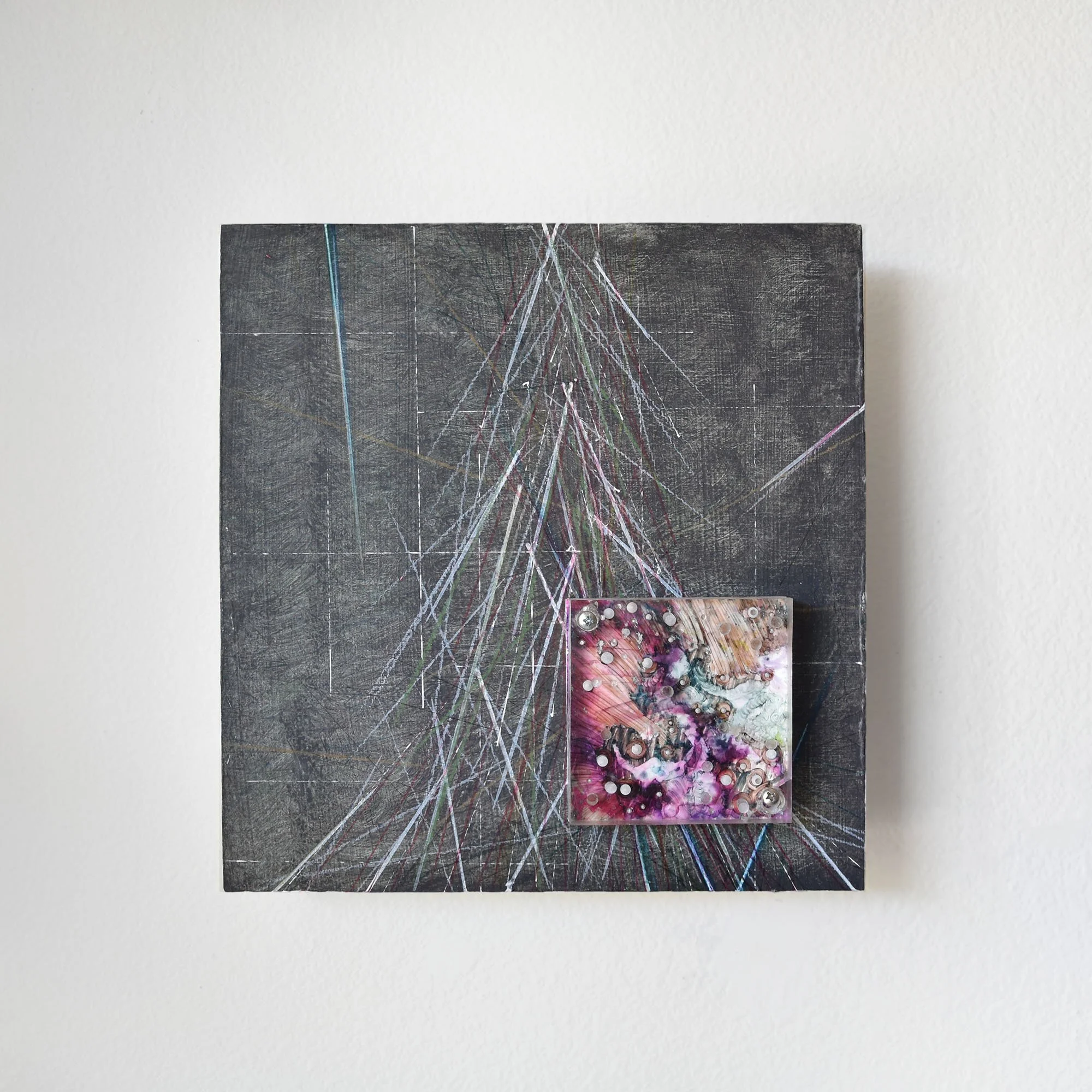
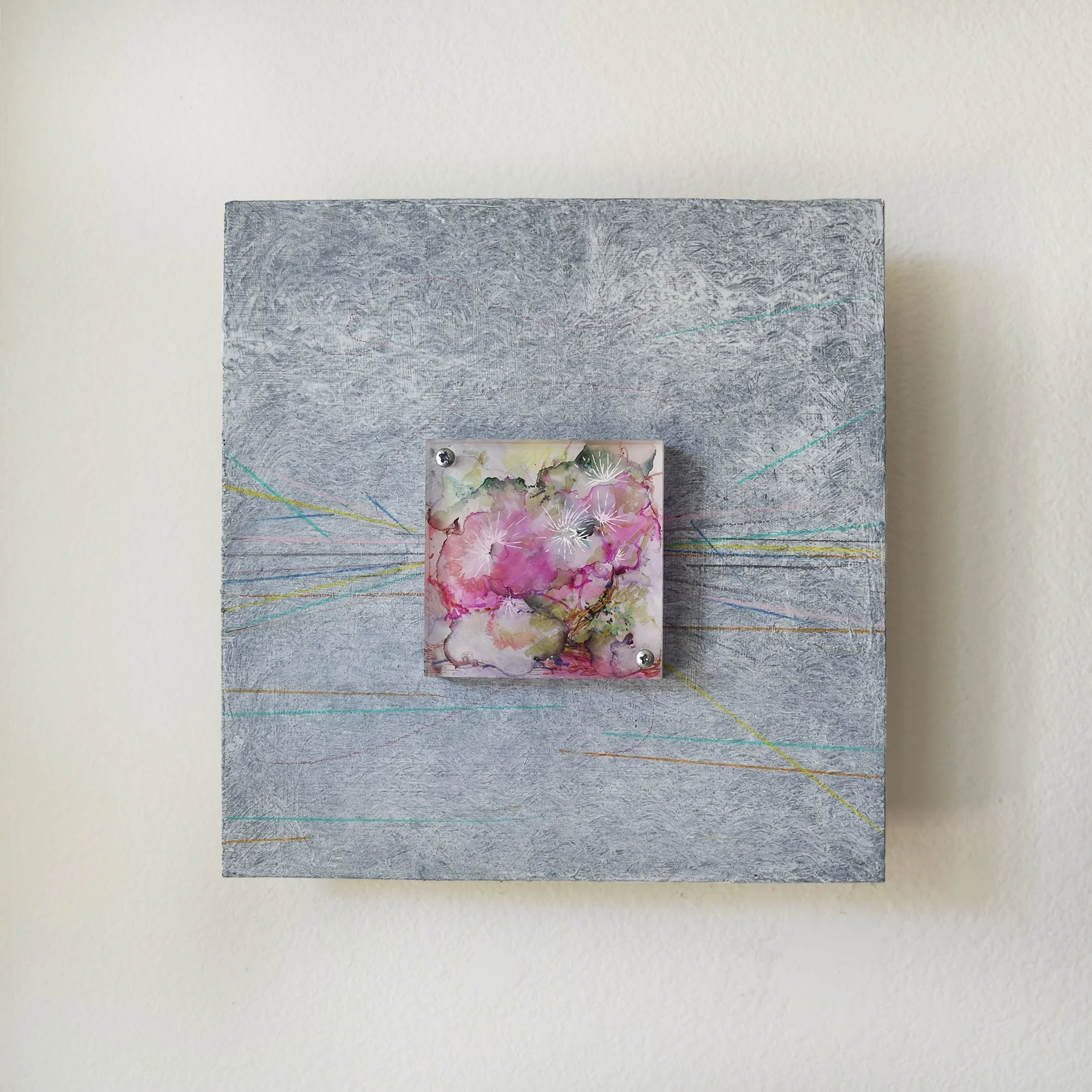
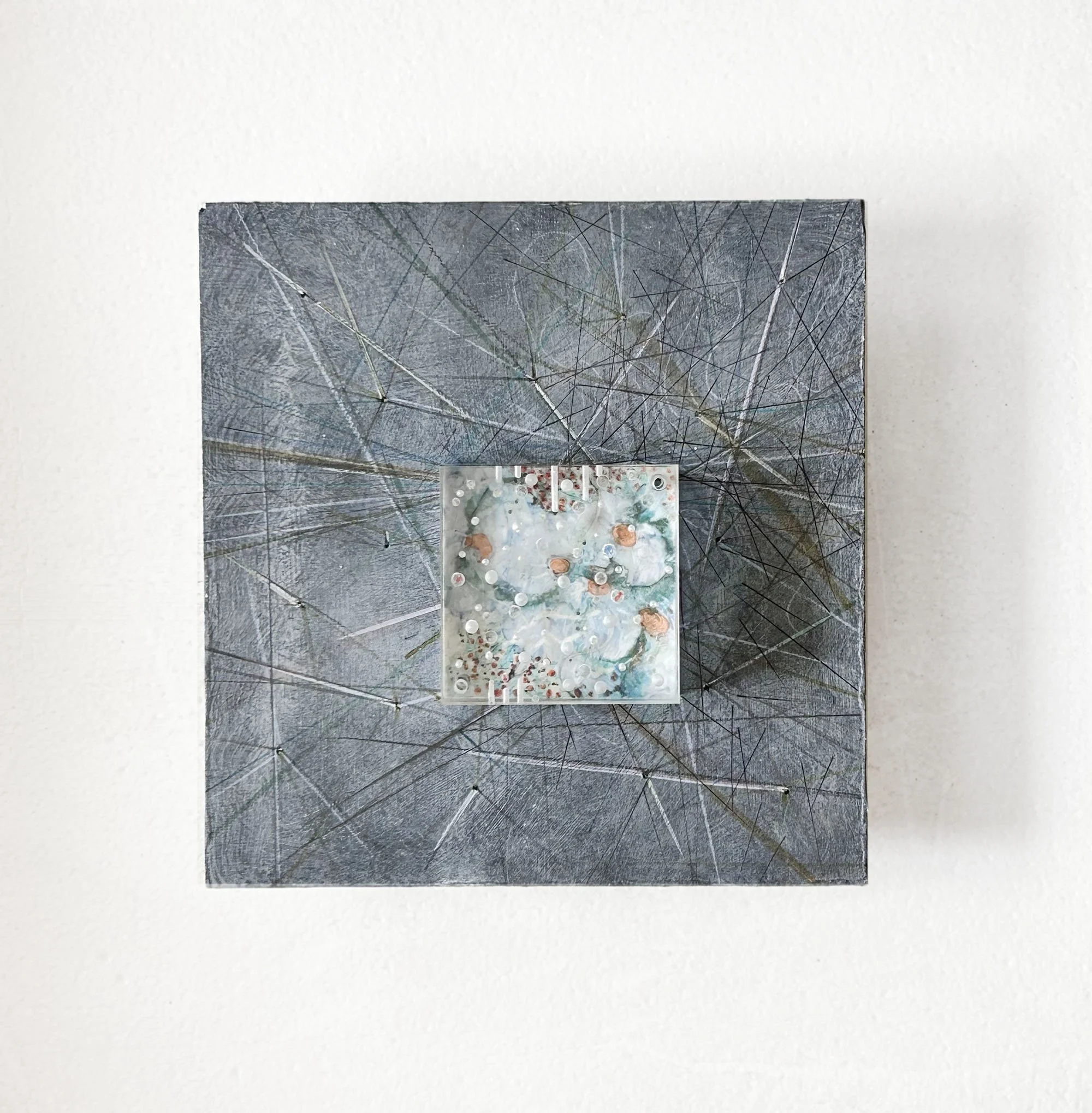
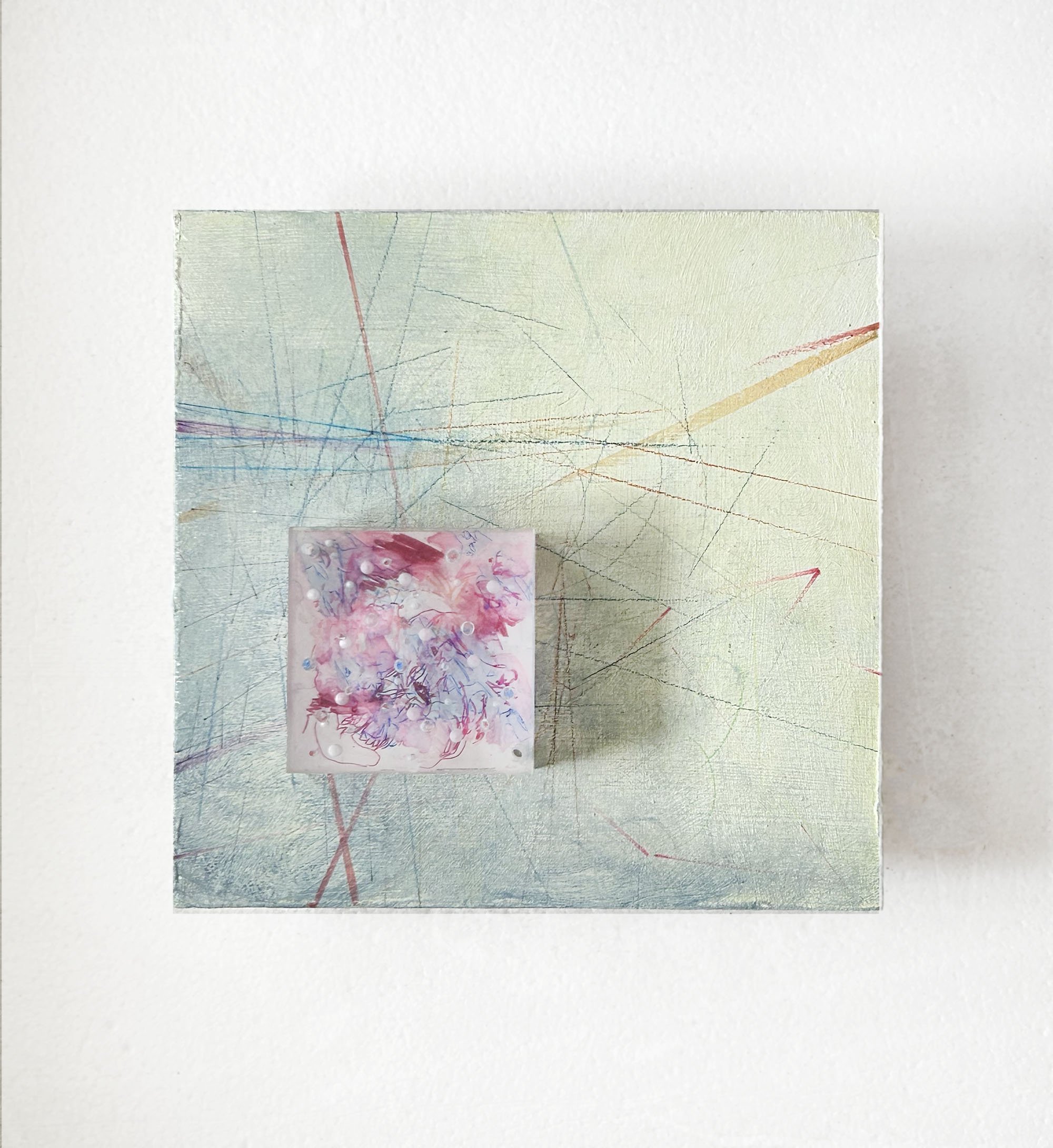
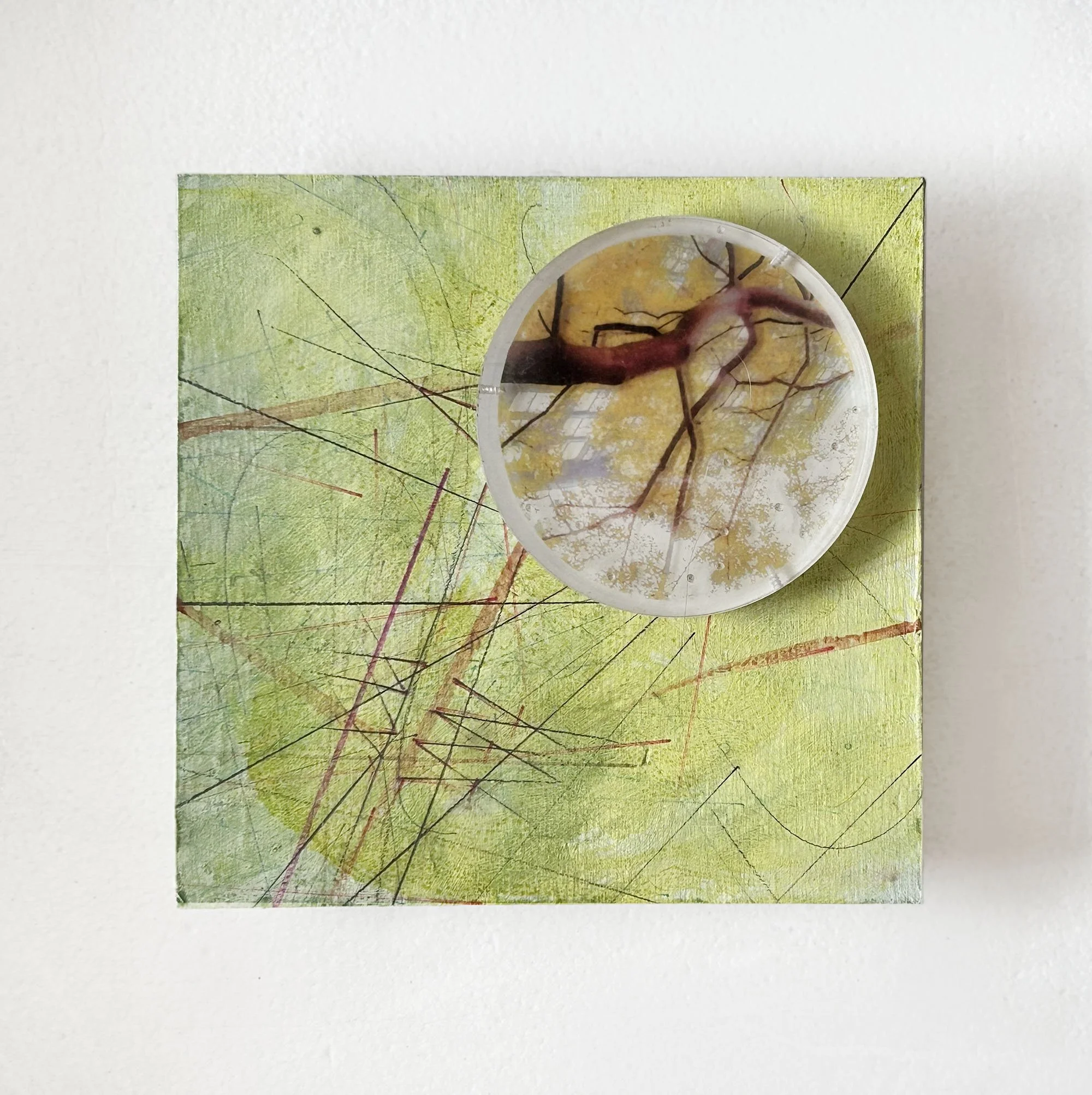
The larger painted field evokes history as accumulation rather than chronology. The plexiglass insert holds a single concentrated act of looking. Between them, the work asks whether the present is less a point on a timeline than a place where different temporal realities become transparent to one another.
The PIP series brings together two independent bodies of work: Carlos Carrillo’s painted wood panels from Holding Patterns and Yevgenia Davidoff’s plexiglass fragments originally made for the 2020 Technorganic Dandelion Sculptures. Formally the works explore the overlap between two visual languages, revealing a shared sensitivity to color, rhythm, structure, and atmosphere. Each piece holds two speeds of time at once: an expansive, ambient field and a smaller, immediate moment of magnified observation. The visible screws do not disappear into the composition; they insist on the act of attachment. They become evidence of a human effort to connect different scales of perception—to fasten the intimate to the immense, the close-up to the atmospheric, the momentary to the vast.
The works are less about collaboration as shared production than about collaboration as visual recognition: the discovery that two separate practices can hold the shape of each other’s missing parts.