Series
Voids, 2024-ongoing
shown at Canopy Projects , Austin, TX
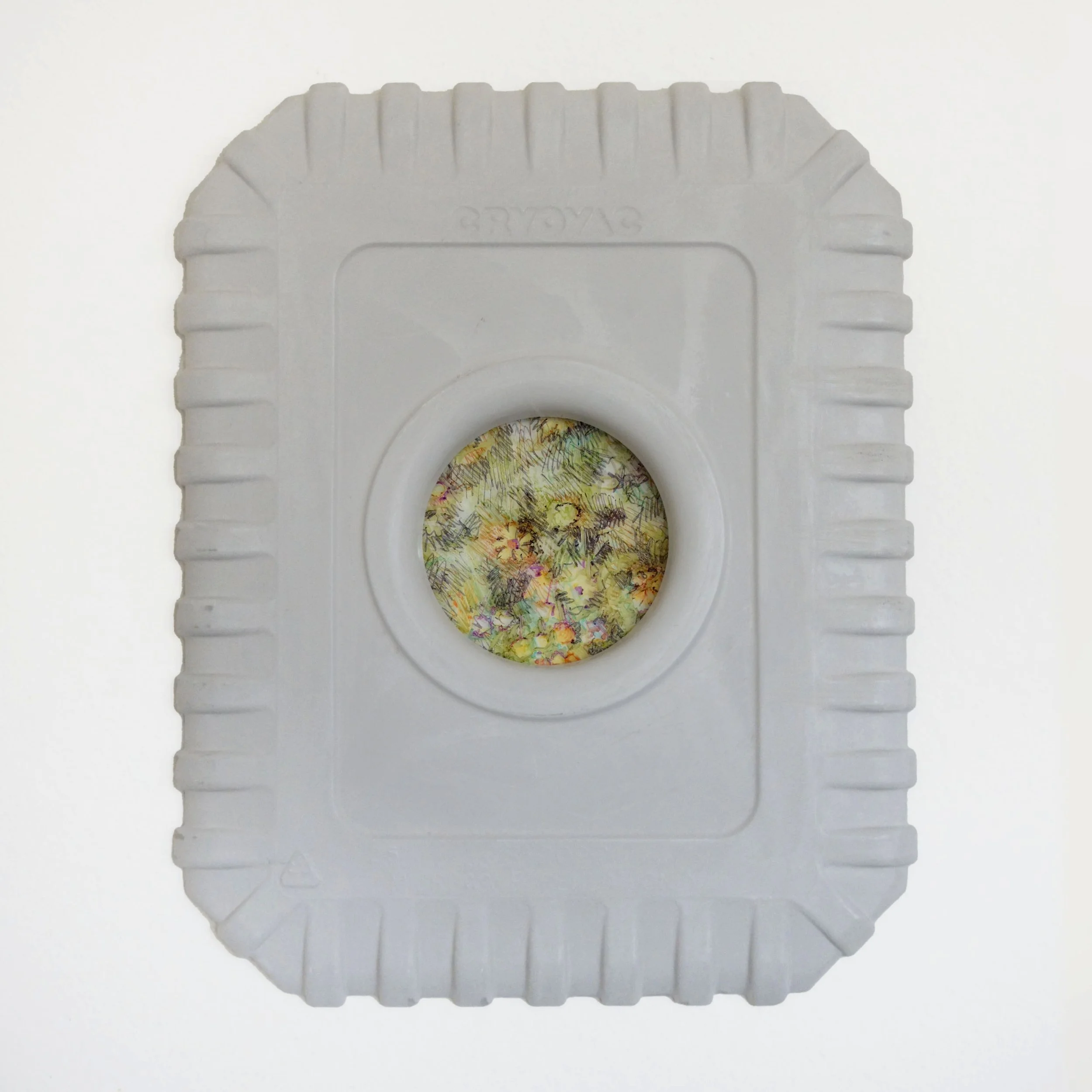
The Void Series begins with an absence that feels solid.
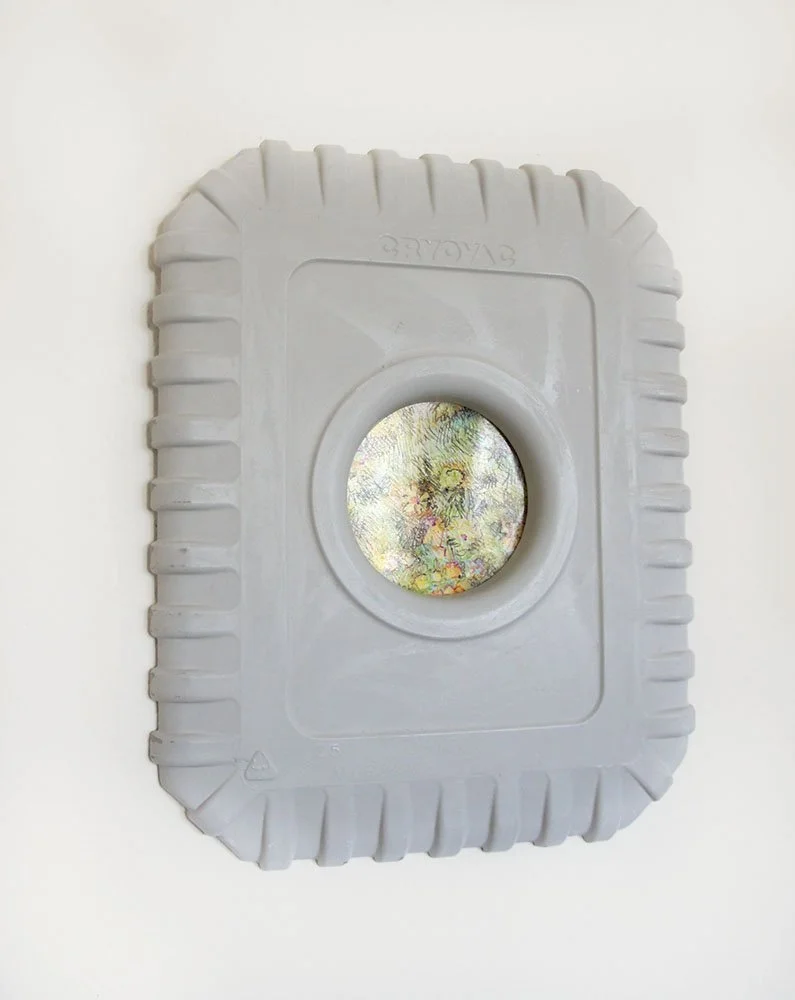
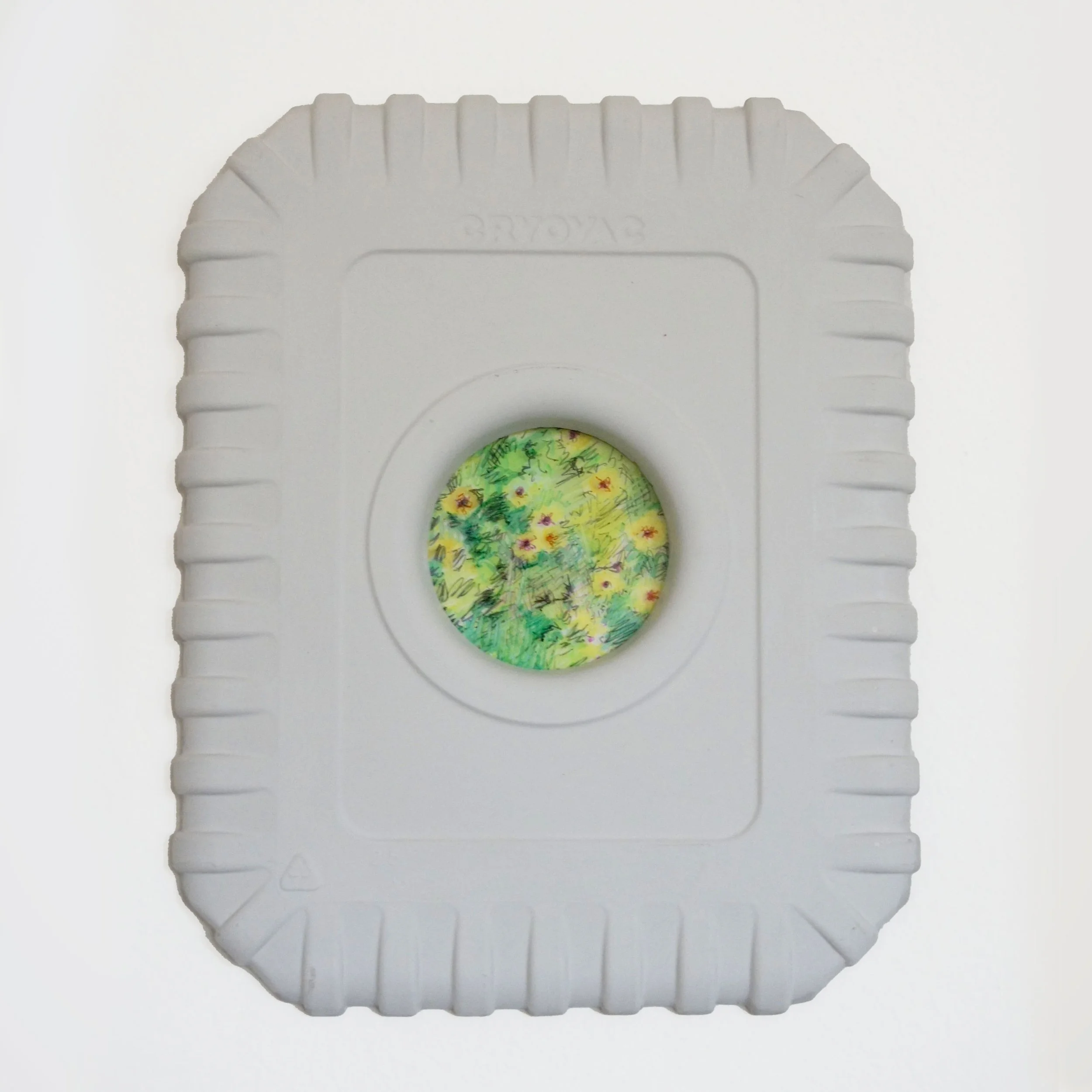
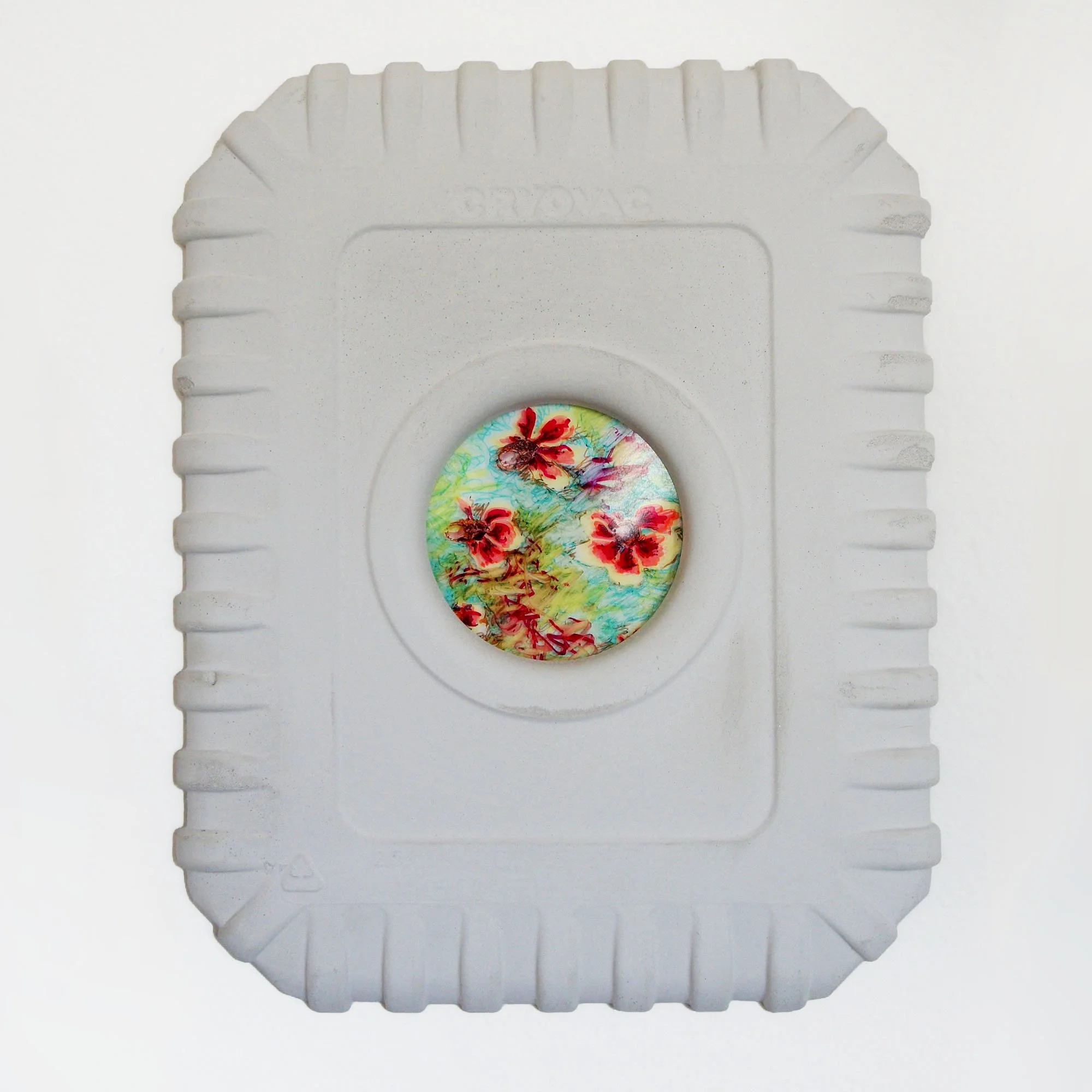
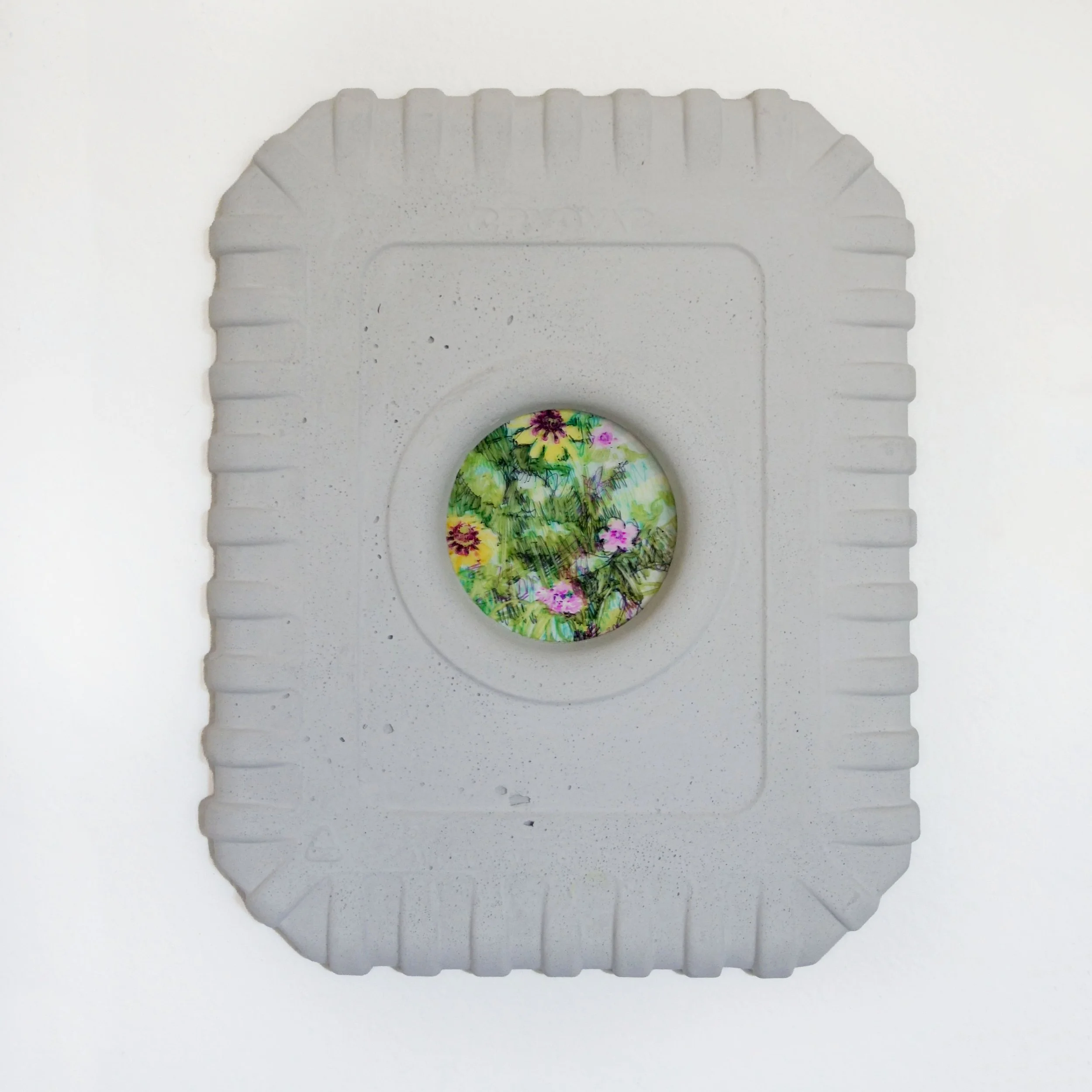
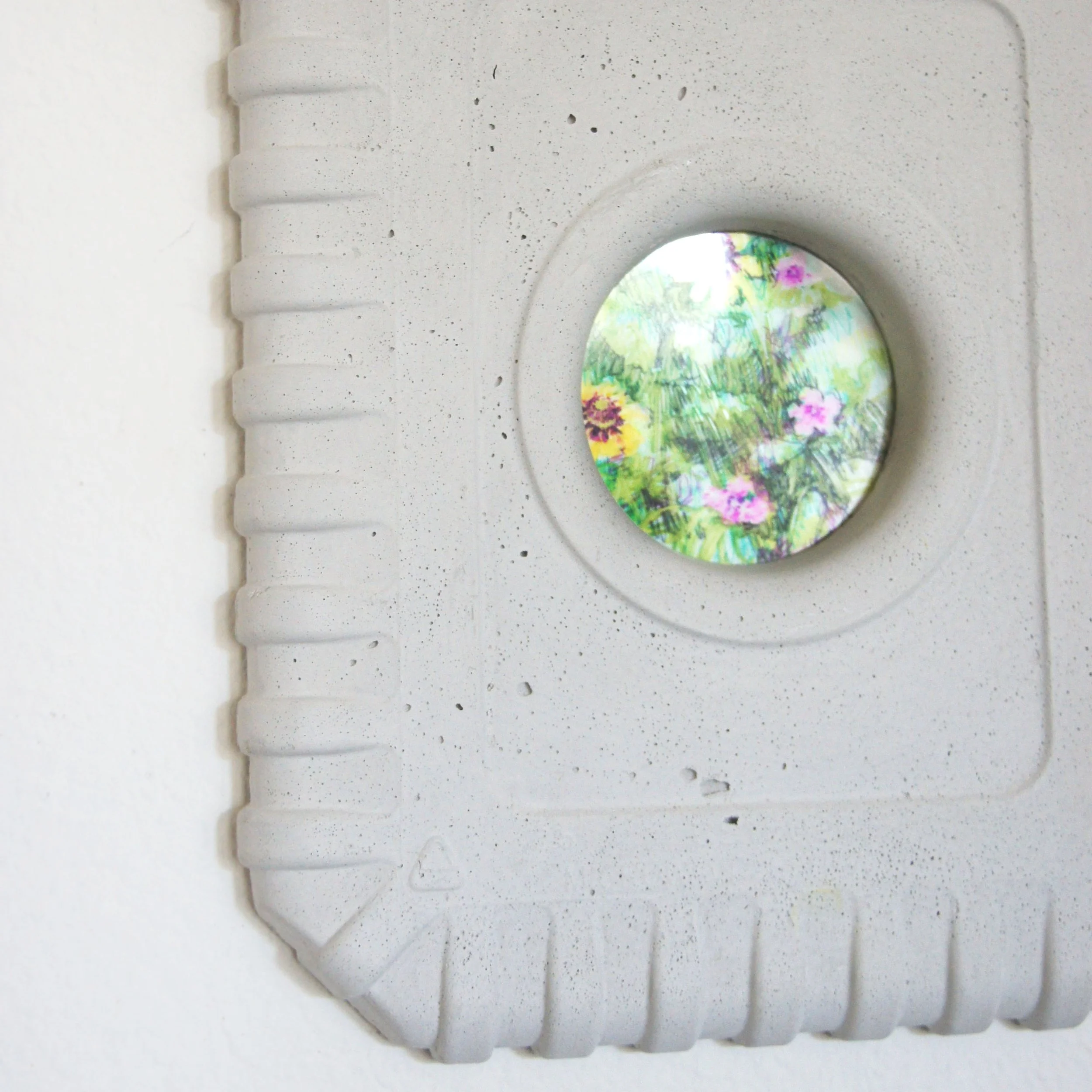
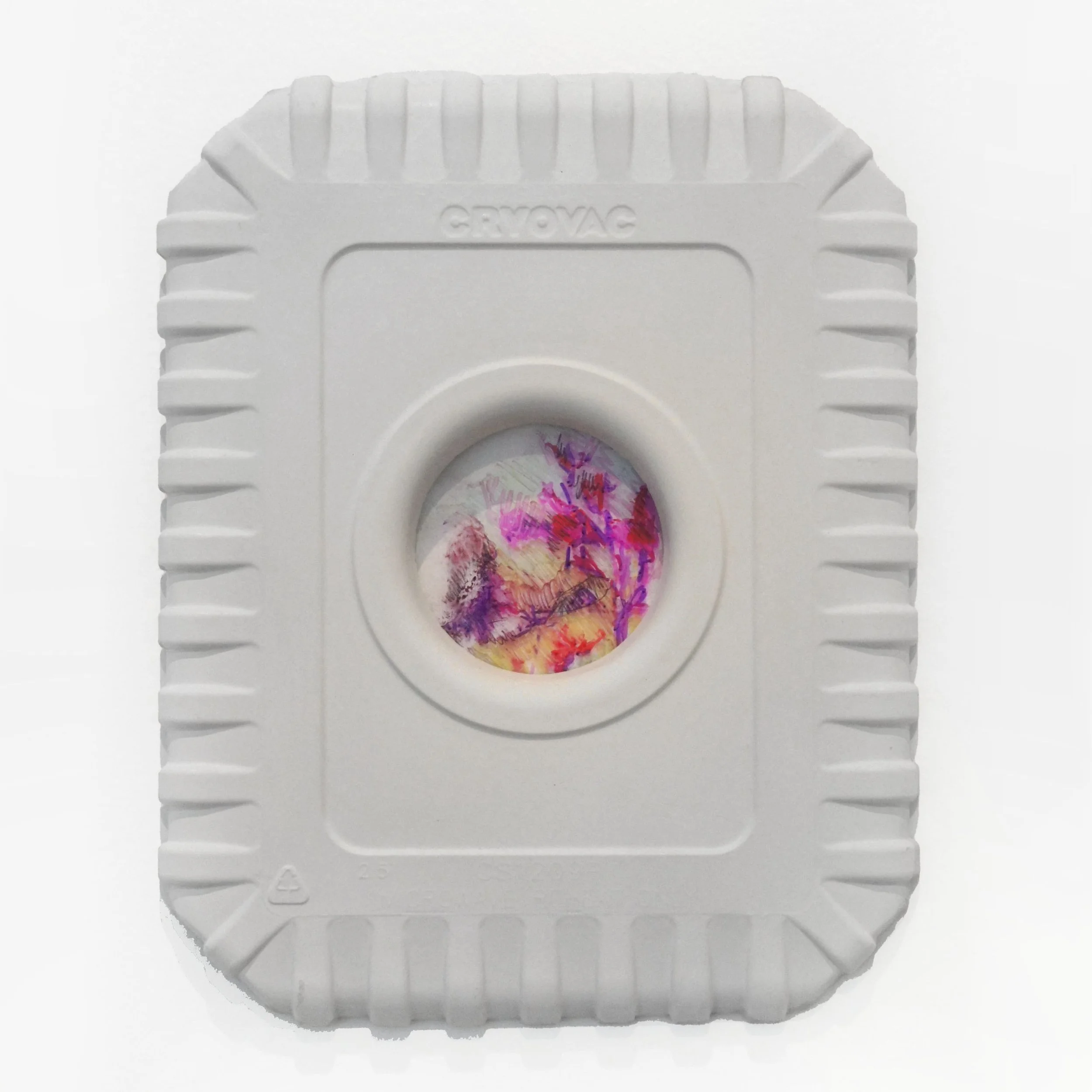
Each work is held within the same cast frame—a repeated mold bearing the word Cryovac. A system designed to seal, preserve, and suspend in time. In this context, it becomes a quiet proposition: can memory be frozen? Can loss be contained, stabilized, made inert?
The answer fails.
What appears as a void is not empty. It is compressed with residue—fragments of presence that refuse preservation. Memory does not behave like vacuum-sealed matter. It leaks, mutates, returns altered.
The frame insists on containment, but the content resists it.
This tension destabilizes the boundary between the two. The frame is no longer neutral—it becomes an active agent, attempting to hold what cannot be held. The void, in turn, becomes the true content: a dense field of absence shaped by what is no longer there.
Loss reorganizes the object. What once served as structure begins to carry emotional weight. Edges become sites of pressure. Surfaces act as witnesses to something that cannot be restored.
The repeated casting echoes ritual—an attempt to reenact preservation, to freeze a moment again and again. But each iteration only reinforces the impossibility of fixing memory in place.
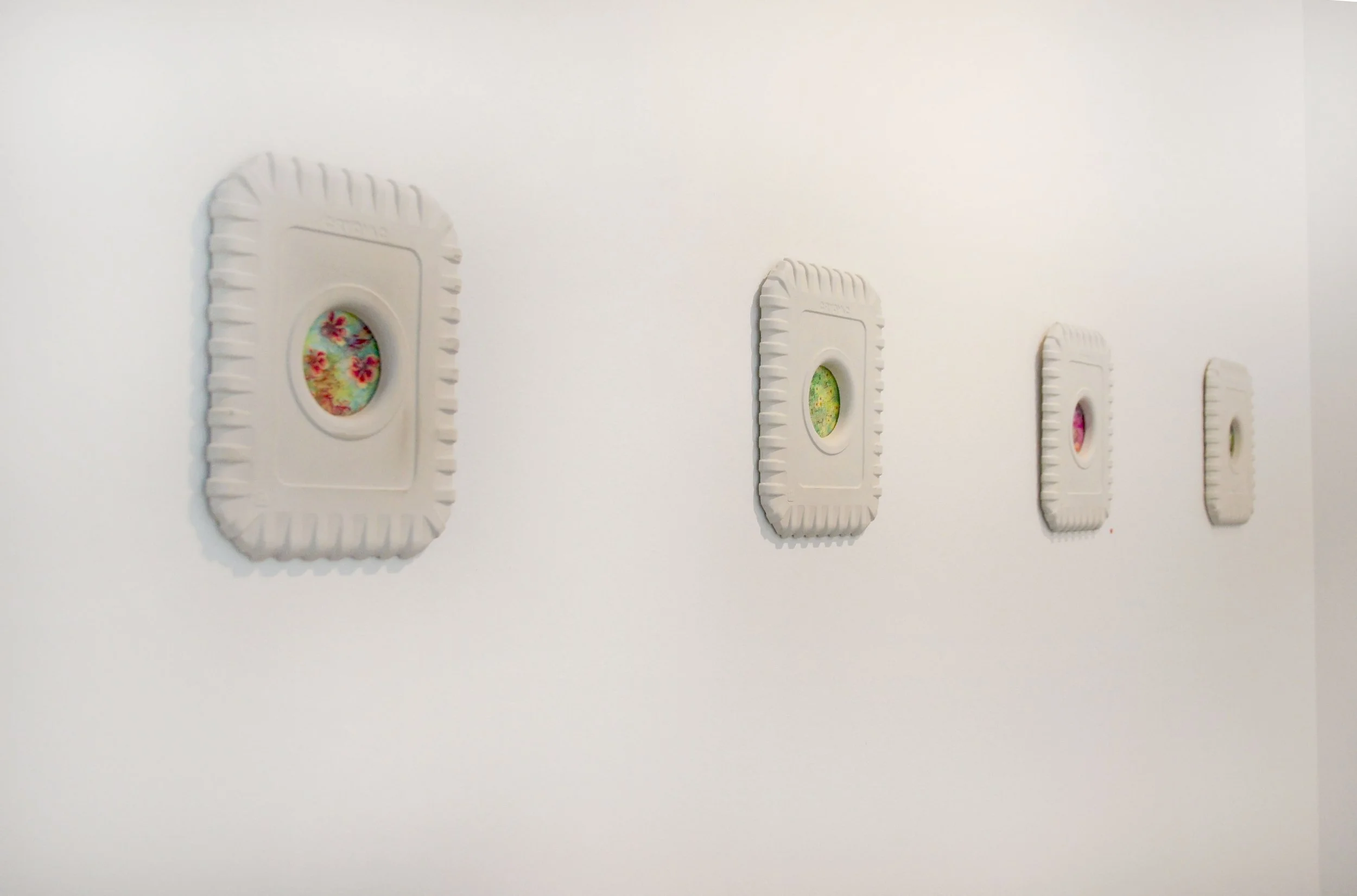
“Voids”, 2024
“The acetate sheet at the center of the work is encased in a cement frame that feels like an extension of the website’s architecture, providing a small peephole through the white background. The nimble drawing at the center is minimal in its construction but overflowing in the image it conjures. The black lines at once provide a loose, Spaghetti-like definition to the wildflowers, while at the same time suggesting movement lines of wind. These lines do not settle down as one or the other, and as a result the breeze rolling across the scene becomes a part of the definition of the flowers, the two concepts completely intertwined, just for the moment.
The feeling that we are getting a snapshot in time–the immediate impression–is reinforced by the pin-hole construction of the frame. One almost feels compelled to move their head around, like a child looking through a cracked open door, to try to get a better view of the sunny day that must lay just on the other side of the glass. ”