Yevgenia Davidoff
About
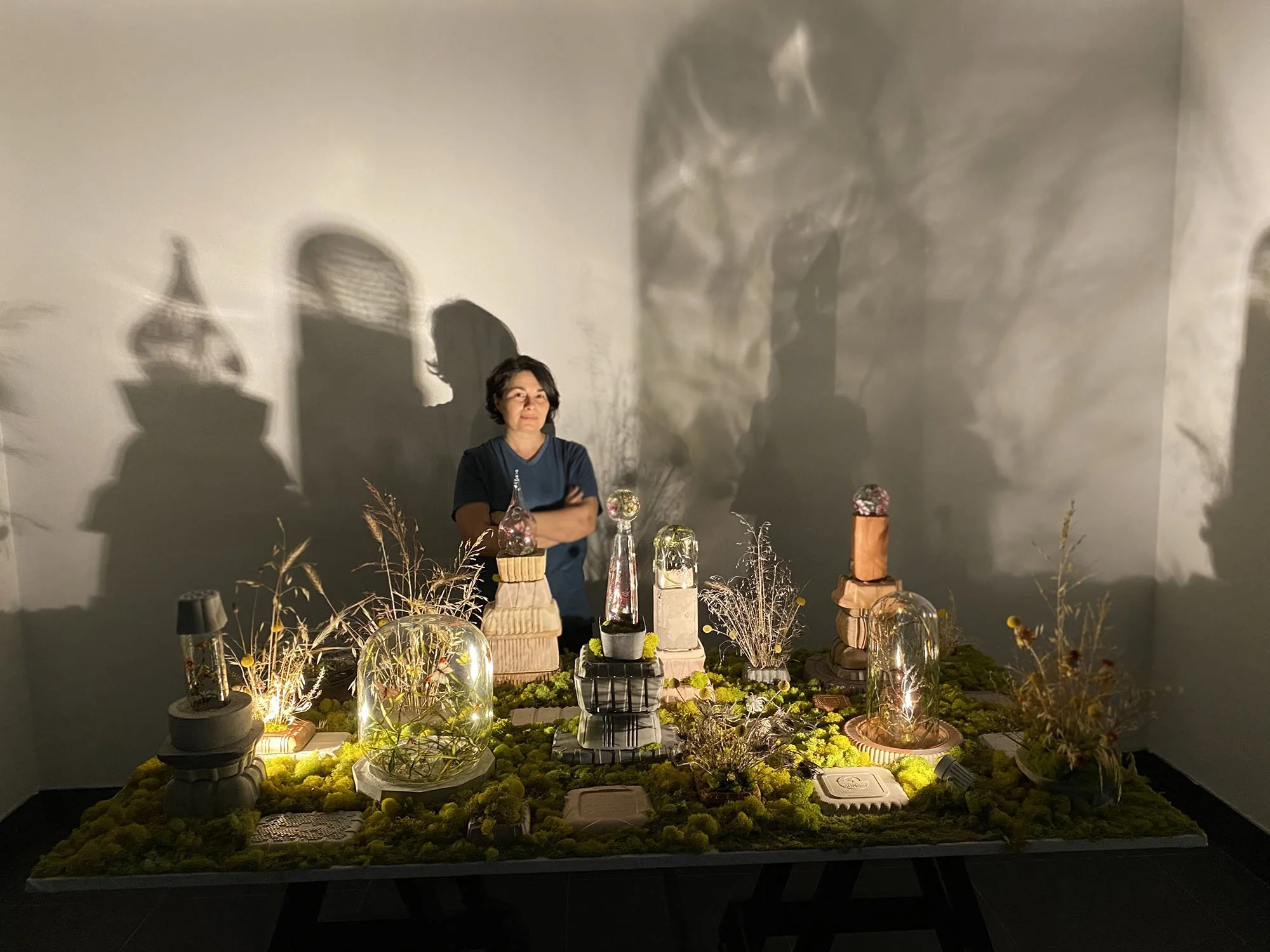
Photo: courtesy the artist
BIO | CV | ARTIST STATEMENT
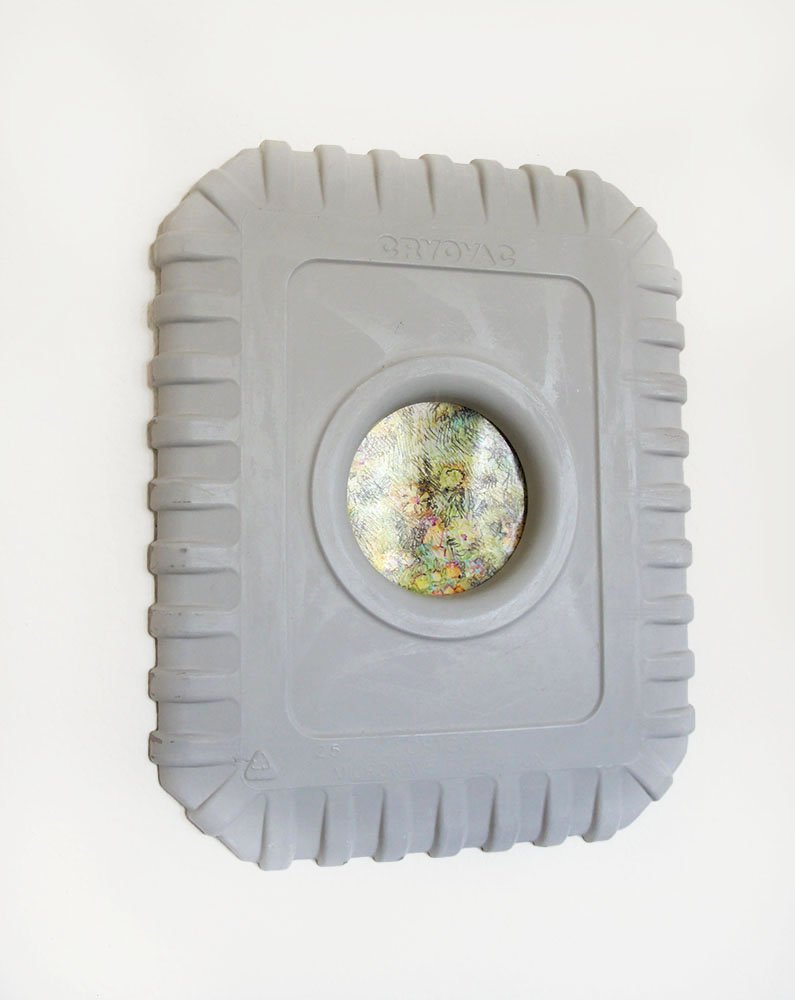
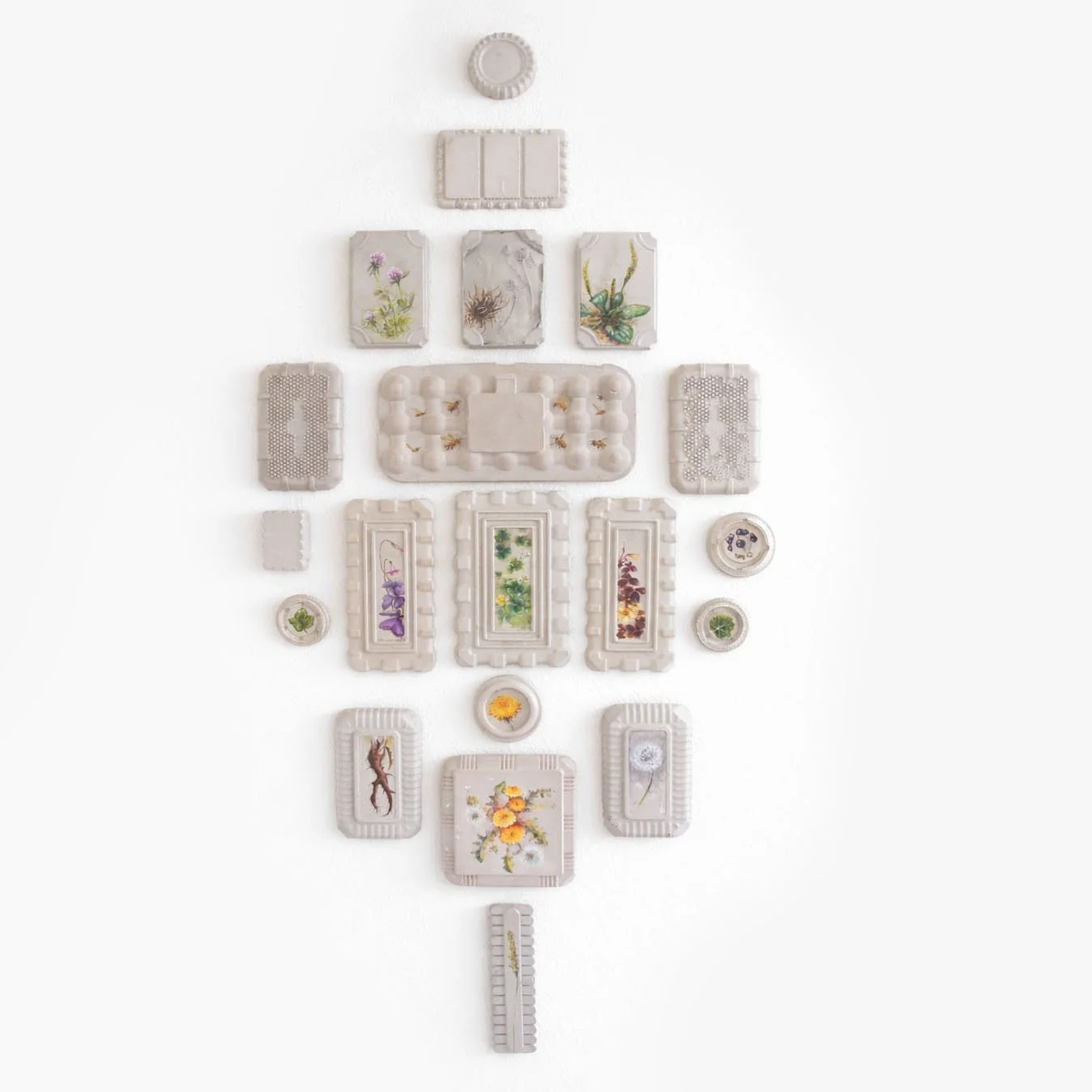
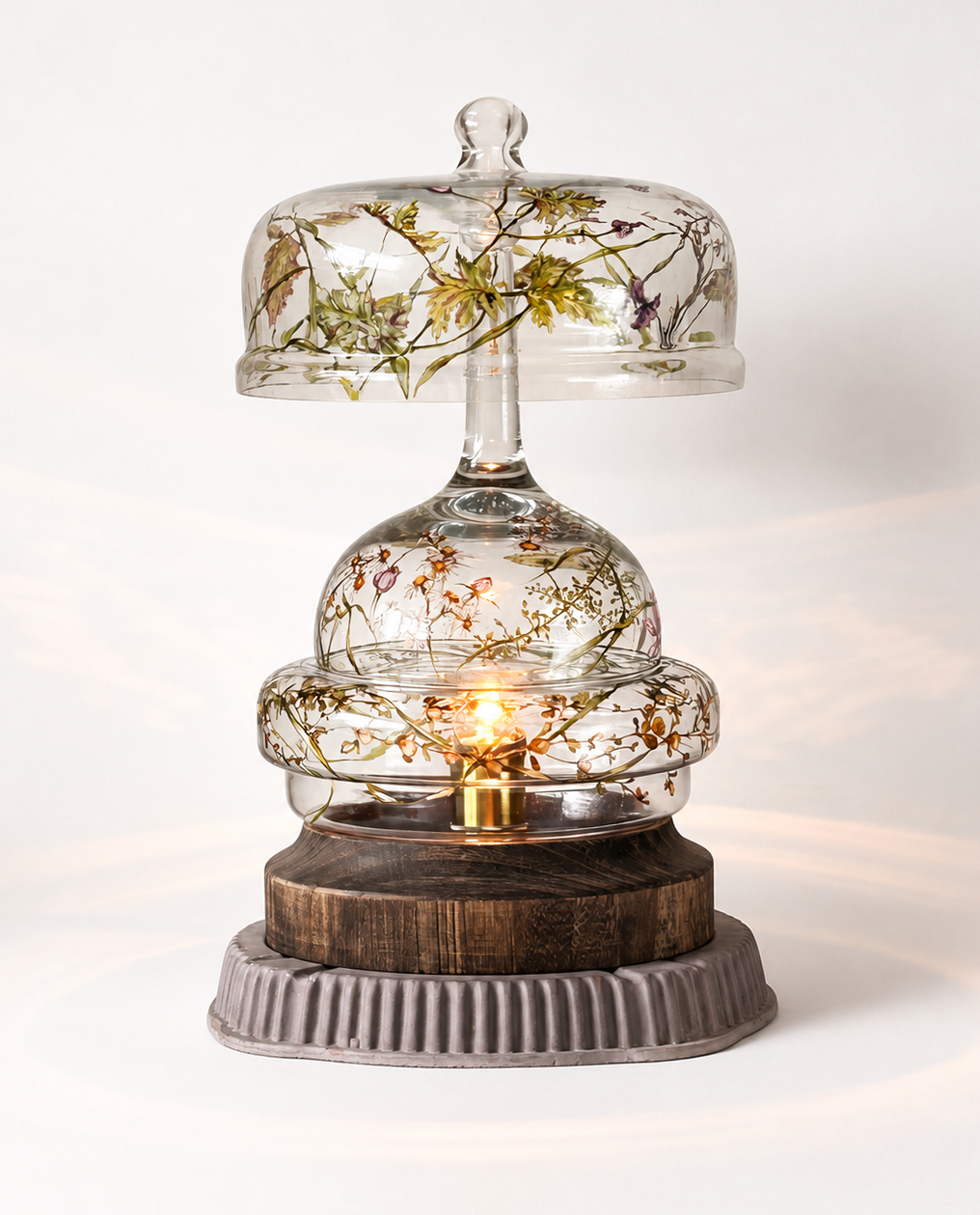
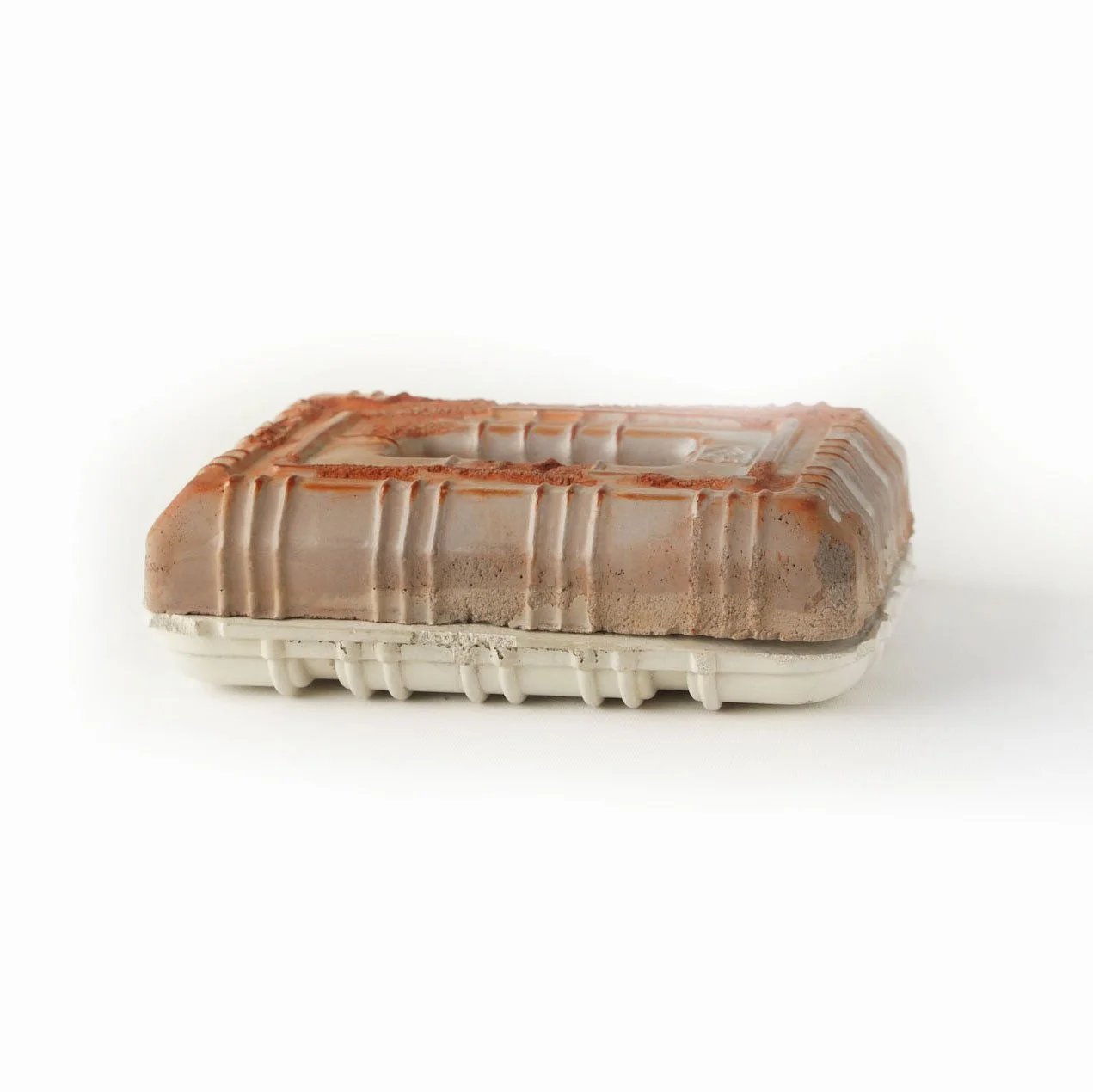
Yevgenia Davidoff is a Russian-born, Austin-based artist who transforms disposable food packaging, domestic objects, cement, glass, and light into sculptures and installations about how we learn to care. Her work begins in the home, where rituals of nourishment, maintenance, and attention coexist with systems built around speed, waste, and disposability. By casting single-use containers in cement, she turns forms designed to disappear into architectural structures resembling monuments, relics, and altars. Through light, repetition, and shifts of scale, care becomes spatially structured and physically experienced.
Davidoff’s practice was shaped by two contrasting systems of art education. Her early classical training in Russia emphasized observation, precision, and continuity; after moving to New York at fourteen, she studied at Cooper Union and earned a BFA from the School of Visual Arts, where experimentation and questioning inherited assumptions became central. Her work continues to draw on both traditions: the sustained attention of observational practice and an understanding that materials carry social histories and systems of value. Following her mother’s death, the natural world also became a place of memory and refuge. Her mother’s attentiveness to wildflowers—resilient plants often dismissed as weeds—left Davidoff with an enduring belief that valuing what is overlooked can itself be an ethical act. Her work asks whether intimate habits of care can expand into a more reciprocal relationship with the living world.
Davidoff’s work has been selected for the Texas Biennial and exhibited at the Houston Center for Contemporary Craft in an exhibition curated by Abraham Thomas of The Metropolitan Museum of Art. Her collaborative work with Carlos Carrillo will be presented at the UMLAUF Sculpture Garden + Museum in Austin in 2026. She also holds an MA from the Fashion Institute of Technology, and her hand-painted domestic objects have entered thousands of homes internationally through collaborations with Terrain, LoveShackFancy, and Anthropologie—extending the questions of attention, use, and care that animate her studio practice into everyday life.
Work
ENVIRONMENTS/ INSTALLATIONS

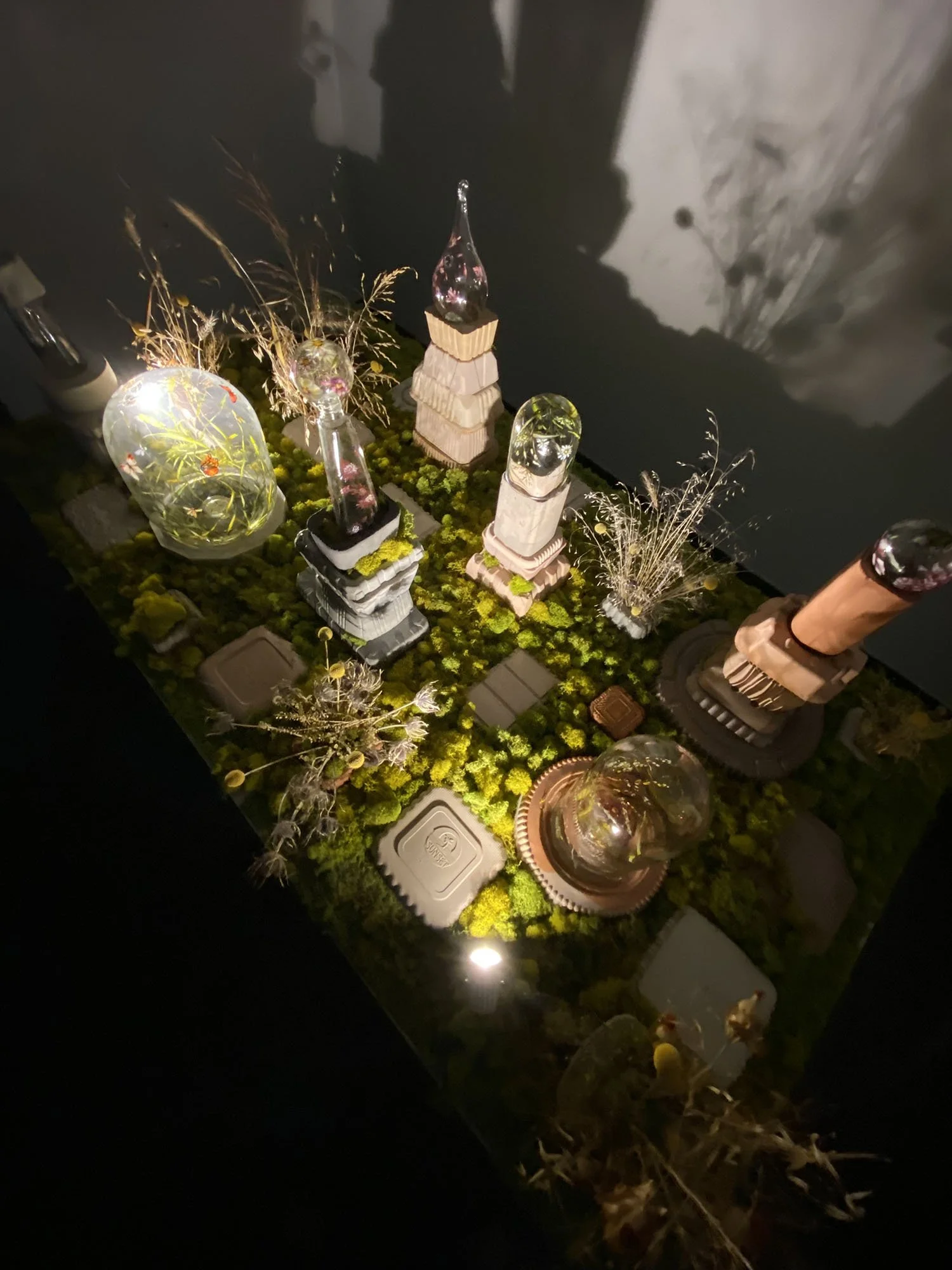

SPACIAL STRUCTURES

SURFACE